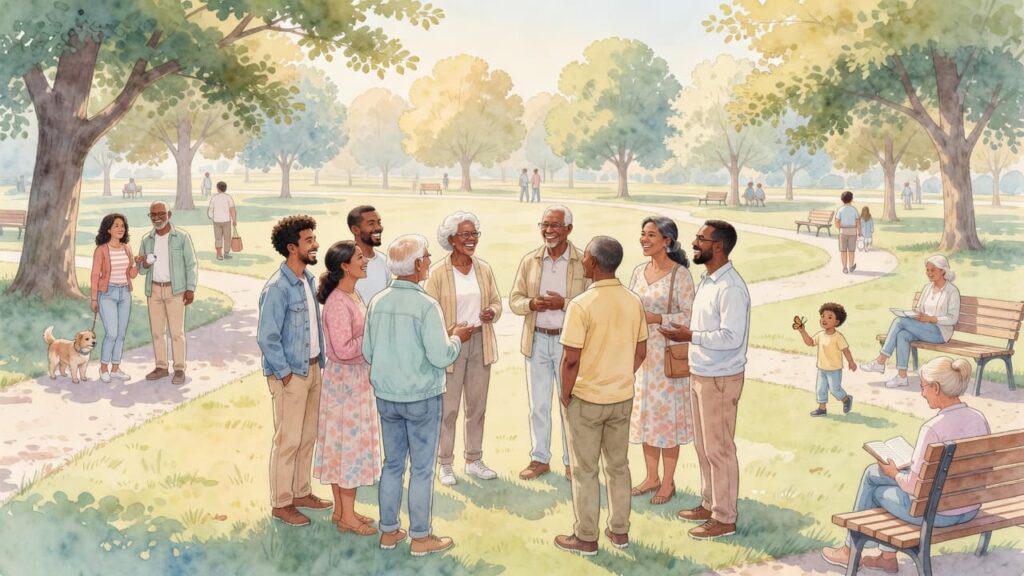
Street ministry works best where people already live, wait, walk, and worry. We meet real needs, speak with care, and earn trust one conversation at a time.
In busy communities, people spot sincerity fast. They can tell when we are trying to impress them, and they can tell when we are there to help. When we bring Christ into public spaces with humility, we make room for hope to feel close and real.
What street ministry really looks like in everyday life
Street ministry is simple at its core. We show up where people gather and we offer kindness with purpose. That can happen on sidewalks, in parks, at transit stops, near campuses, at community events, or in neighborhoods where people pass by every day.
It is more than speaking. We listen first, we ask honest questions, we pray when invited, and we stay long enough to care about the answer. Sometimes we carry meals. Sometimes we hand out water. Sometimes we just stand nearby and give people room to talk.
We can serve in practical ways without losing focus. A few common forms of outreach include:
- Prayer walks, where we cover a block, park, or neighborhood in prayer and stay open to conversations.
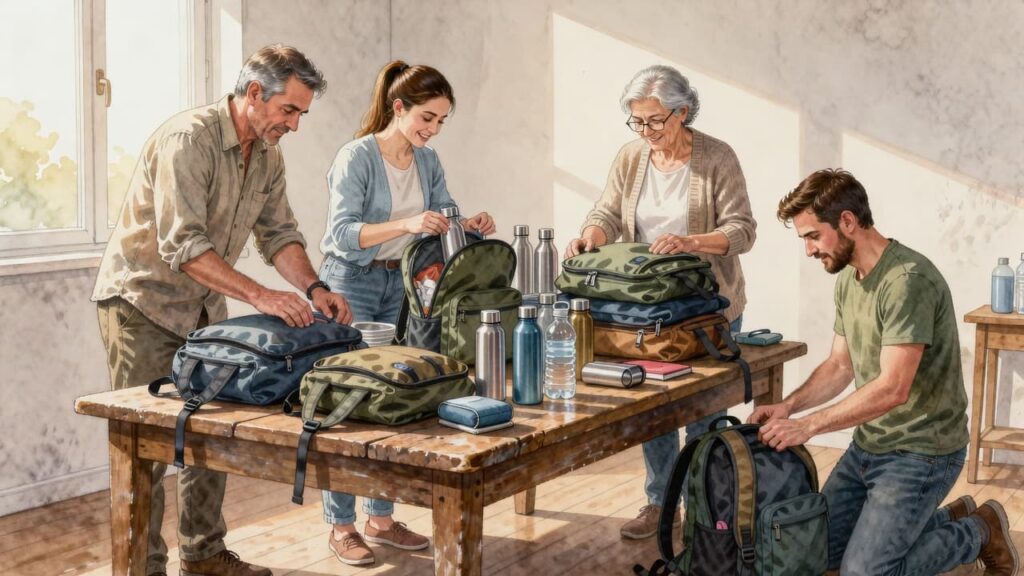
- Water, snacks, or meals, which meet a simple need and open a door for care.
- Gospel conversations, which stay honest, clear, and respectful.
- Encouragement and blessings, which remind people they are seen.
- Connections to church or local help, which give people a next step after the first meeting.
That kind of outreach keeps ministry grounded. It also keeps us from treating people like a project. We are there to love, not to pressure.
When good intentions miss the mark
Sometimes we rush into advice or correction before we have earned the right to speak. That can make people feel unseen. We may think we are helping, but they experience pressure.
We can do better by slowing down. A patient question often reaches farther than a rushed answer.
Why follow-up matters after the first conversation
Street ministry does not end when the conversation ends. If someone is open, we can invite them to church, connect them with a support network, or offer a next step that fits their situation. Follow-up turns a moment into a path.
Without follow-up, even a good conversation can fade fast. With it, people know we meant what we said.
Conclusion
Street ministry is love in plain sight. We show up with courage, kindness, and consistency, and we trust God with what happens next.
When we keep our hearts soft and our approach simple, people notice. They may not remember every word, but they will remember how we treated them.
We can start small, stay faithful, and keep showing up. One prayer, one conversation, one act of care can open a door for hope.