
Street Ministry That Builds Trust in Public Spaces

GO INTO THE HIGHWAYS & BYWAYS TO REACH MY PEOPLE

Street ministry works best where people already live, wait, walk, and worry. We meet real needs, speak with care, and earn trust one conversation at a time.

In busy communities, people spot sincerity fast. They can tell when we are trying to impress them, and they can tell when we are there to help. When we bring Christ into public spaces with humility, we make room for hope to feel close and real.

What street ministry really looks like in everyday life

Street ministry is simple at its core. We show up where people gather and we offer kindness with purpose. That can happen on sidewalks, in parks, at transit stops, near campuses, at community events, or in neighborhoods where people pass by every day.

It is more than speaking. We listen first, we ask honest questions, we pray when invited, and we stay long enough to care about the answer. Sometimes we carry meals. Sometimes we hand out water. Sometimes we just stand nearby and give people room to talk.

We can serve in practical ways without losing focus. A few common forms of outreach include:

  • Prayer walks, where we cover a block, park, or neighborhood in prayer and stay open to conversations.
  • Water, snacks, or meals, which meet a simple need and open a door for care.
  • Gospel conversations, which stay honest, clear, and respectful.
  • Encouragement and blessings, which remind people they are seen.
  • Connections to church or local help, which give people a next step after the first meeting.

That kind of outreach keeps ministry grounded. It also keeps us from treating people like a project. We are there to love, not to pressure.
When good intentions miss the mark

Sometimes we rush into advice or correction before we have earned the right to speak. That can make people feel unseen. We may think we are helping, but they experience pressure.

We can do better by slowing down. A patient question often reaches farther than a rushed answer.

Why follow-up matters after the first conversation

Street ministry does not end when the conversation ends. If someone is open, we can invite them to church, connect them with a support network, or offer a next step that fits their situation. Follow-up turns a moment into a path.

Without follow-up, even a good conversation can fade fast. With it, people know we meant what we said.

Conclusion

Street ministry is love in plain sight. We show up with courage, kindness, and consistency, and we trust God with what happens next.

When we keep our hearts soft and our approach simple, people notice. They may not remember every word, but they will remember how we treated them.

We can start small, stay faithful, and keep showing up. One prayer, one conversation, one act of care can open a door for hope.
Why presence matters as much as words

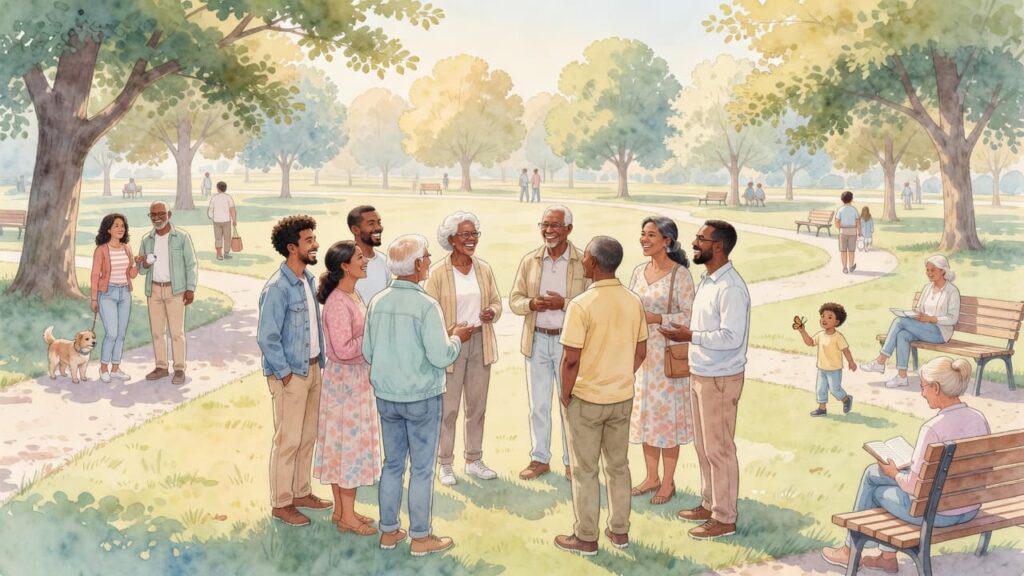
People often need trust before they need a speech. A repeated smile, a remembered name, and a calm tone can matter more than a polished presentation. That is one reason four lessons from street evangelism still ring true: be normal, have a reason to talk, and stay flexible.

Presence says, “We are here, and we care.” Words matter, but words land better when they come from someone who has already listened. When we return to the same places with the same steady heart, trust grows.

How we prepare for street ministry without making it complicated

Good preparation does not have to feel heavy. We start with prayer, agree on a clear goal, and choose a place where people naturally gather. Then we decide how long we will stay and what kind of conversations we hope to have.

Teams matter too. Going out in pairs or small groups helps us stay alert and keeps the focus on people, not on performance. It also gives us a chance to check our tone before we speak. A simple plan keeps us calm and available.

The practical steps for street evangelism are easy to remember: choose a location, start the conversation, ask questions, and move naturally toward the gospel. Simple steps help us stay present instead of scrambling.

What to bring when we go out

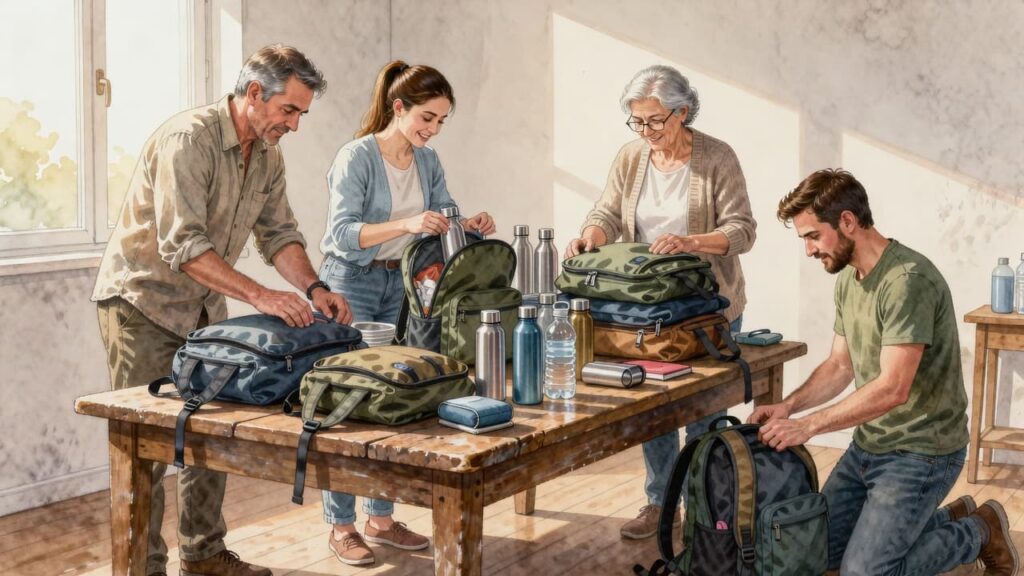
A small bag can carry enough to serve well. We often bring Bibles, water, snacks, first-aid basics, invitations to church, a notebook, and clothing that fits the weather. If it is hot, we need shade and extra water. If it is cold, we need layers and dry socks.

A little preparation prevents a lot of awkwardness. It also helps us stay generous instead of distracted.

How we stay safe, respectful, and wise

Safety starts with awareness. We watch our surroundings, stay in teams, and respect private property. We do not block sidewalks, push into personal space, or follow someone who wants to end the conversation.

Wisdom also means knowing when to step back. If a person is upset, intoxicated, or clearly uninterested, we keep our distance and move on with grace. Respect protects both people and the witness we carry.

The heart behind effective street ministry

Compassion shapes everything. Without it, our words sound sharp, even when our doctrine is right. With it, we can speak truth in a way people can hear.

Humility matters just as much. We do not walk into public spaces as if we already know someone else’s story. We come ready to listen, ready to learn, and ready to remember that every person carries pain we cannot see.

People are not interruptions. They are the reason we came.

How we build real conversations instead of quick fixes

Real conversation starts with simple questions. “How are you doing today?” opens more doors than a rehearsed speech. So does “Can we pray for anything?” or “What has this week been like for you?”

We do not need to win every exchange. We need to stay honest, patient, and kind. When we listen well, people often tell us what they actually need.

How we care for people with dignity

Dignity means we never reduce someone to a problem to solve. We honor their story, their pace, and their boundaries. If a person shares pain, we do not rush past it to get to our point.

We can offer prayer, practical help, and a clear next step, but we do it gently. People remember when they felt respected. They also remember when they felt used.

Common mistakes to avoid when we do street ministry

The biggest mistake is pushing too hard. A sharp tone, a canned script, or a quick argument can shut a conversation down before it starts. People usually open up when they feel safe, not when they feel cornered.

Another mistake is forgetting to listen. If we talk over people, we miss what matters most. Good intentions can still miss the mark when we move faster than trust.